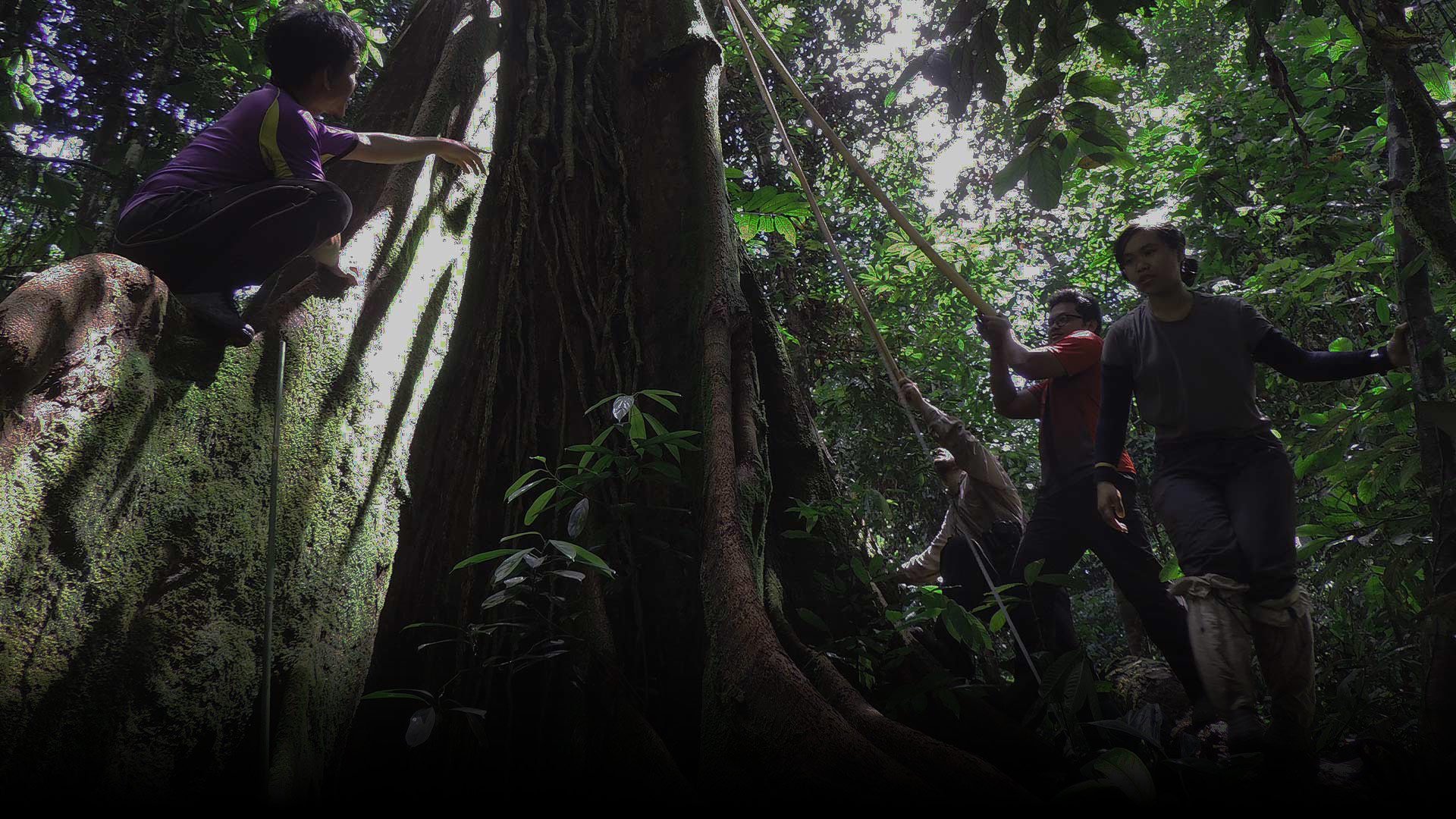
Current Field Courses
Tropical Ecology & Conservation Field Course
Dates: 6 July – 5 August 202728 July-27 August, 202
Location: Kibale National Park, Uganda
Application Deadline: Applications will open 26 October 2026, and will close 26 February 2027.
Recent Courses
Tropical Ecology & Conservation Field Course
Dates: 28 July – 27 August 2026
Location: Kibale National Park, Uganda
Application Deadline: APPLICATIONS HAVE CLOSED
Restoring Forest Landscapes: A Practical Course
Dates: 20-24 January, 2026
Location: Forestry Training Institute, Tubmanburg, Liberia
Application Deadline: APPLICATIONS HAVE CLOSED
Health & Safety:
Field courses create exceptional learning opportunities, but do require particular care and attention to manage inherent health and safety risks. Through careful planning and ongoing monitoring, we strive to provide a safe and rewarding learning experience for all participants.
All TBA field courses are supported by formal risk assessments, emergency procedures, and ongoing risk monitoring. Our primary source of travel and safety guidance is the UK Foreign, Commonwealth & Development Office (FCDO), supplemented by information from the World Health Organization (WHO), national authorities and host institutions.
We continually review potential risks and maintain contingency plans, enabling us to respond quickly should circumstances change.
Our values:
The Tropical Biology Association believes that capacity building works best when it is held in partnership and brings together people from different countries, cultures, backgrounds and perspectives.
We are committed to promoting equity, celebrating diversity, and creating a welcoming, inclusive and respectful environment for everyone involved in what we do. We expect all participants, teachers and staff to treat one another with kindness and respect, value different viewpoints, and contribute to a culture where everyone feels safe, supported and able to participate fully.
We also encourage participants to engage respectfully with the cultures, customs and communities of the countries that host our courses. The locations in which we work are chosen for their educational, scientific and conservation value, together with practical and safety considerations. Our decision to operate in a particular country should not be interpreted as endorsement of any discriminatory laws, policies or practices that may exist there.