Here’s a tip from TBA for conservation organisations who might still thinking about New Year resolutions. Take a look at the new version of TESSA – the interactive toolkit designed to help managers evaluate ecosystem services at site level. TESSA equips managers with the information they need to make better decisions about their natural resources at grass-roots level.
An extended range of modules means that Version 2 of TESSA (which stands for Toolkit for Ecosystem Service Site-based Assessment) can now be used to measure the benefits of natural pollination, coastal protection and cultural services, as well as the five other services that TESSA covers.
The TBA, one of six organisations which developed the toolkit, leads the TESSA training programme worldwide. The first version has already been applied at 80 sites worldwide, on five continents.
Initially, the toolkit could be applied to water services, climate regulation, harvested wild goods and cultural goods, and nature based recreation.
“It’s great news that the new version is now ready,”
says TBA Director, Dr Rosie Trevelyan. “When TBA has been running training workshops, we’ve been getting a lot of requests to expand the services that TESSA can measure. Now that is possible.”
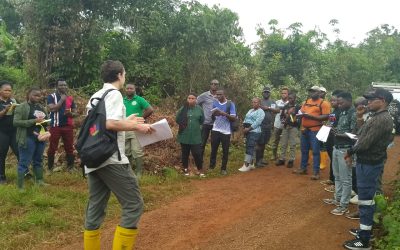
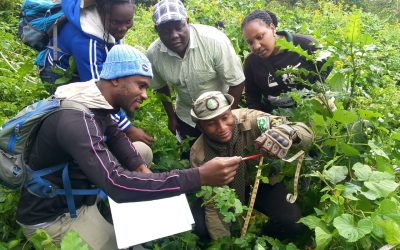
When TESSA was first launched in 2014, the TBA pioneered training workshops in Africa. In 2017, the TBA was invited by the UN Environment’s programme on the Economics of Ecosystems and Biodiversity (TEEB), to deliver TESSA training for staff working for the country’s national institutions, civil society and local government. The workshop was hosted by Liberia’s Environmental Protection Agency (EPA).
“TESSA is gaining more and more credibility,”
says Dr Trevelyan. “The TBA continues to receive a lot of interest in delivering training, and not just in Africa, but also in South East Asia.”
TESSA is aimed primarily at conservation practitioners, and a wide range of natural resource managers (e.g. in forestry, fisheries and water), land-use planners, development organisations, and in the private sector. It is unique among ecosystem services evaluation tools in that it is practical to apply at a site level by non-experts, yet robust enough to use results to influence decision making.