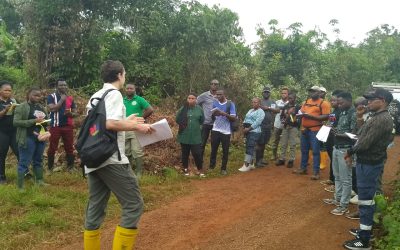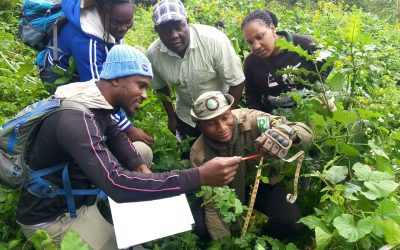
A new wave of future conservationists is being launched this summer as the TBA’s 2015 programme of field courses passes the halfway mark.
Throughout July, 24 biological science graduates from 17 countries spent a month in a global biodiversity hotspot in the Usumbara mountains of north-eastern Tanzania.
In Uganda, another cohort from 22 countries, is coming to the end of a month in Kibale – a study site which gives participants access to a wide range of habitats from tropical forest, to wetlands and grasslands.
Madagascar will host the third field course in November and December.
Central to TBA capacity building, our field courses are intense, practical and life-changing. A key feature is the international mix of participants, with half coming from the host and neighbouring countries.
This cultural diversity is mirrored in the expertise of international and local scientists who make up the teaching team. It is their specialist knowledge, and the particular features of the study site, which shape each course.
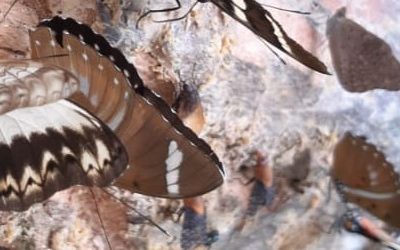
“This course built my capacity as a future conservationist. The exciting techniques in insect and freshwater research have inspired my MPhil research work and opened my mind to the diverse possibilities in conservation science.” Issah Seidu (Ghana)