Using Citizen Science data for decision making

11 December 2023

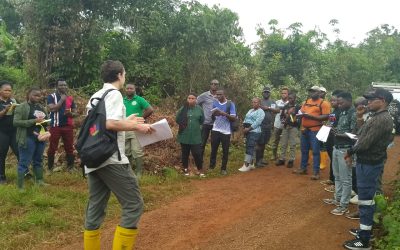
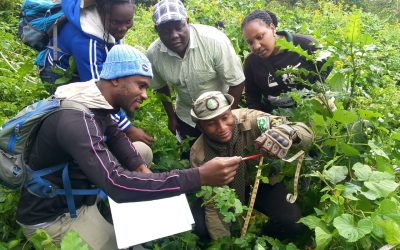
Nineteen citizen science managers from nine African countries have met to learn about using citizen science data to create a conservation impact. Citizen science is an incredibly effective way of gathering information about plants and animals through engaging people. This training course is giving managers the skills to interrogate their citizen science data to guide conservation decisions. For example, participants are learning about how to use citizen science to monitor changes in bird species over time and to map where their country’s threatened species occur.

“This course really shed light on what we can do with our citizen science data”

Talatu Tende, A. P. Leventis Ornithological Research Institute and manager of Nigerian Bird Atlas Project

The training activities are part of the Darwin Initiative funded project “Improved decision-making through citizen science data.” The project is led by the Tropical Biology Association in partnership with the Kenya Bird Map and Nigerian Bird Atlas projects.
Rosie Trevelyan, Director of the Tropical Biology Association, got an official welcome to Kabale University by the office of the Vice Chancellor

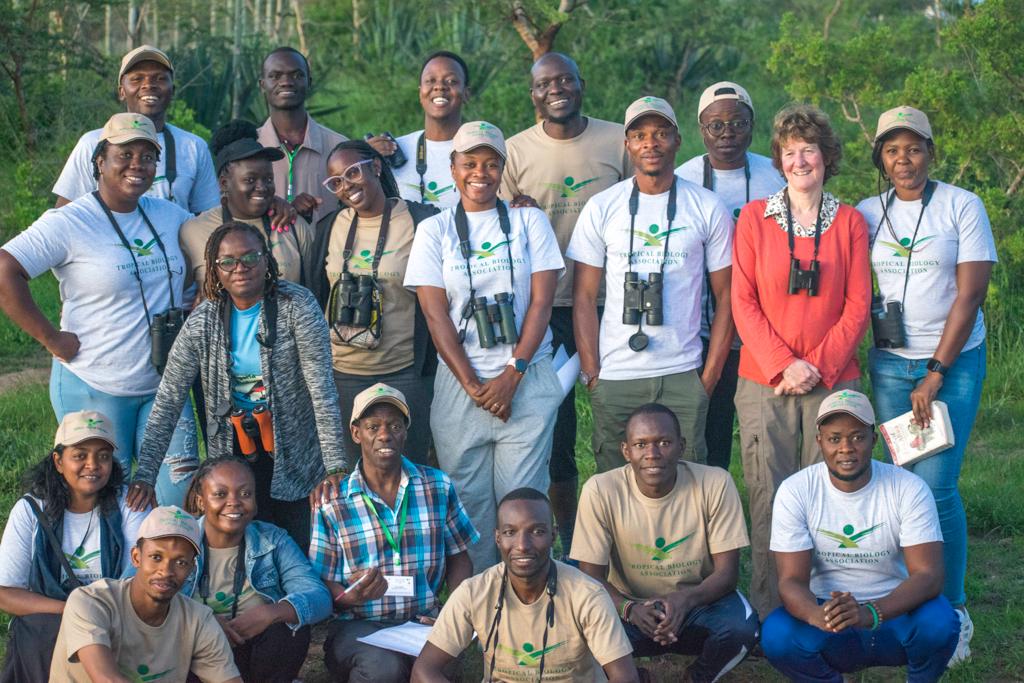
The participants on the course, with Rosie Trevelyan, Director of the Tropical Biology Association.
Latest News

Moving the Dial: How 19 West African Managers Are Restoring Regional Forest Landscapes

Moving the Dial: How 19 West African Managers Are Restoring Regional Forest Landscapes

TBA brought together 19 restoration managers, from Liberia, Sierra Leone and Guinea, working in NGO’s, government, universities and the private sector to participate in a training course we designed to move the dial for restoration in West Africa. ‘Restoring Forest Landscapes: a training course for restoration manager’, hosted at Liberia’s Forestry training institute benefited from their long history of restoration programmes, training and outreach.

Seeds of change

Seeds of change

TBA’s new training programme has created a skilled cohort of 41 African forest restoration professionals from 16 countries across Africa. They now have the expertise to design evidence-based forest restoration programmes that achieve sustainable outcomes, mitigate climate change and provide a host of ecosystem services for livelihoods and human wellbeing.